Bluffton University news
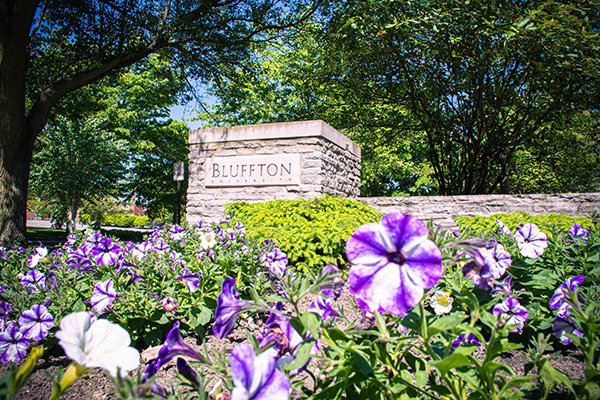
Spring Dean's List
Bluffton University has announced its Dean's List for the Spring 2026 semester.
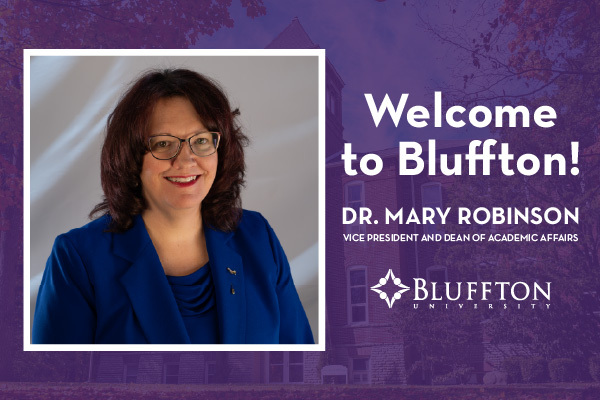
Dr. Mary Robinson named VPAA
Dr. Mary Robinson has been named vice president and dean of academic affairs at Bluffton University, effective July 1, 2026.
JustWrite Competition
More than 400 high school writers from across Ohio and Michigan will gather at Bluffton University on Monday, May 18, for the JustWrite State Tournament.
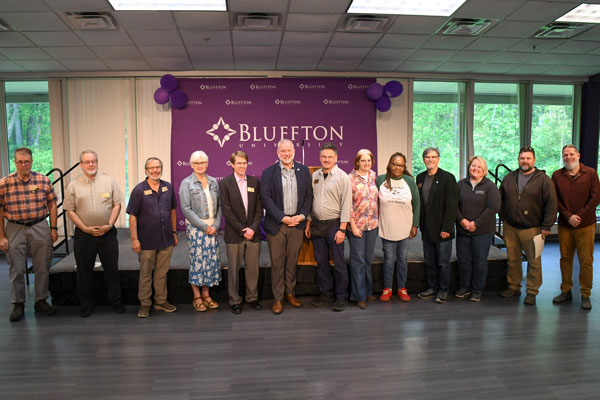
Dedicated Service
Dr. Alex Sider, president of Bluffton University, and Bluffton University Cabinet recognized faculty and staff for milestone years of service during the annual faculty and staff recognition lunch.
Dean's Reception
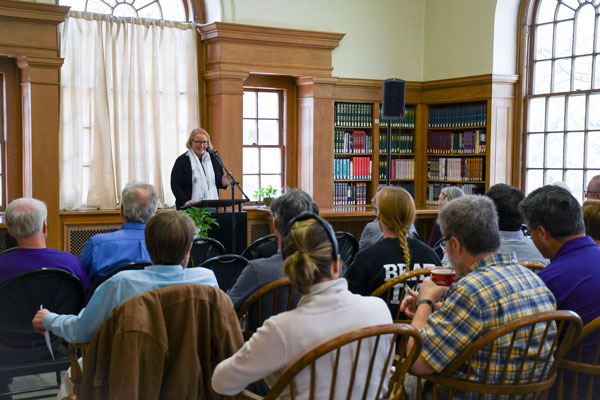
Bluffton University recognized faculty scholarship, professional development and institutional contributions during its annual Dean's Reception.
Academic Awards Recap
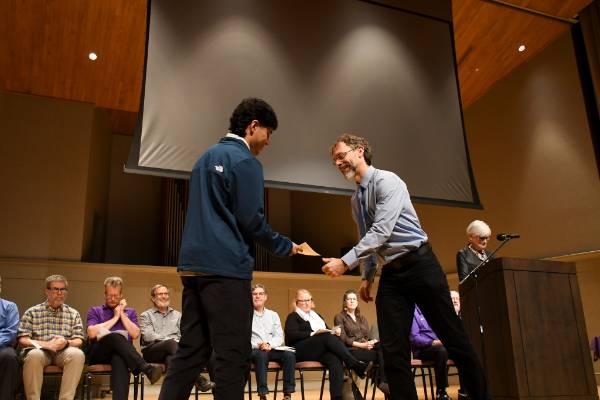
Bluffton University recognized student achievement, scholarship and academic excellence during the annual Academic Awards and Honors Forum
PSC Winner Announced
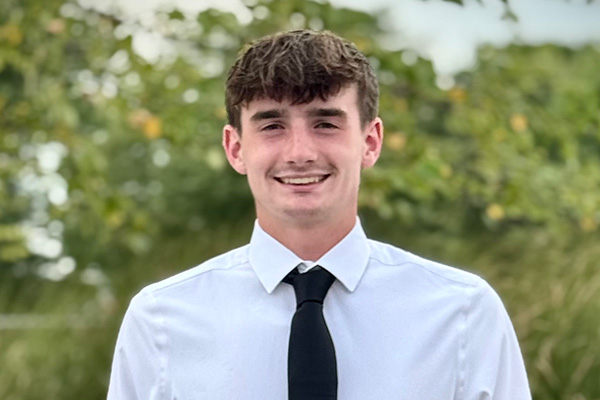
David Rich, Brownsburg, Ind., has been awarded the university's full-tuition Presidential Scholarship, valued at more than $156,000 over four years.
Athletic Awards Forum 2026
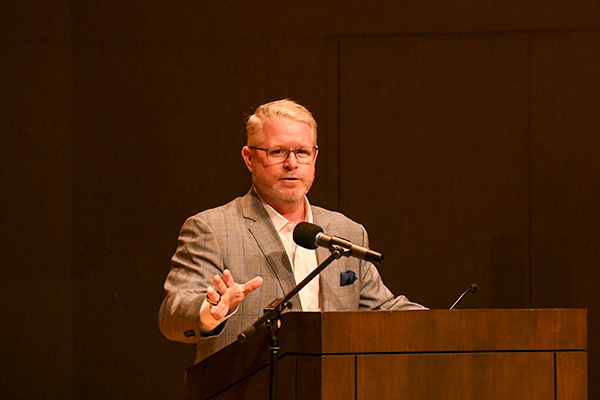
Bluffton University recognized outstanding student-athletes, campus supporters and welcomed a featured speaker during its annual Athletics Awards Forum.
Civic Engagement Forum Recap
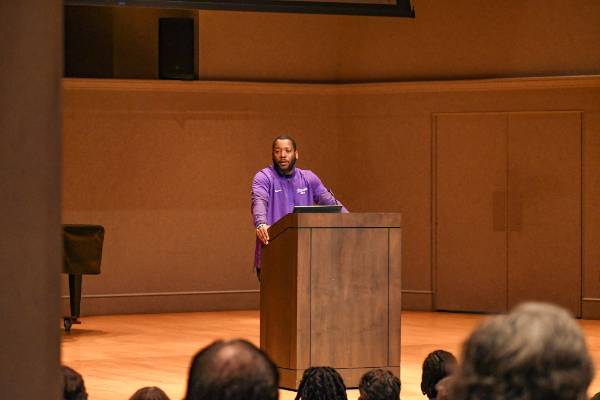
Buffton University's Civic Engagement Day Forum was presented by Chris Scott, who encouraged students to reflect on the power of mindset, accountability and self-control in both competition and everyday life.
NetVue Grant
Bluffton University has been awarded a $60,000 grant from the Council of Independent Colleges (CIC) through the Network for Vocation in Undergraduate Education (NetVUE).
2026 Spring Play
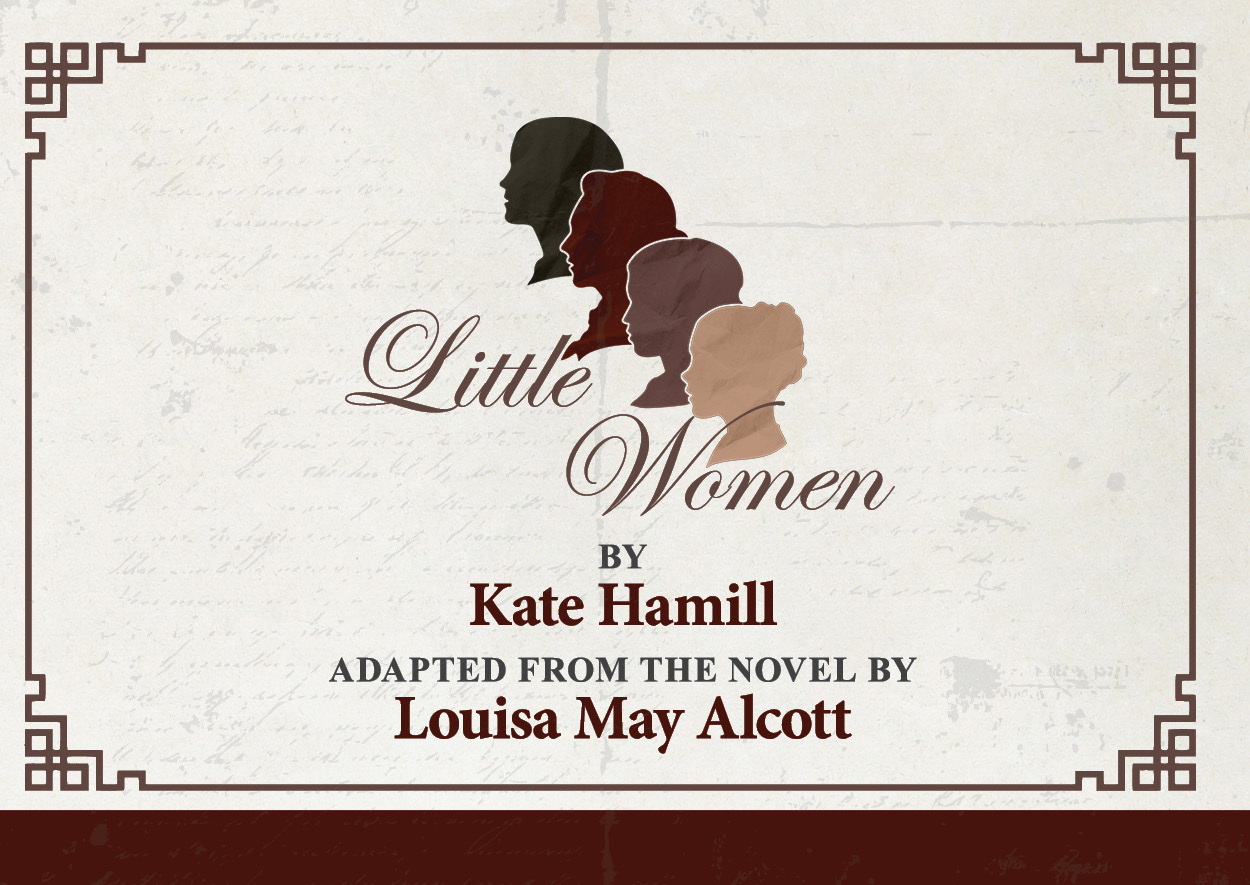
Bluffton University will present the spring play "Little Women" by Kate Hamill April 16-19 in Ramseyer Auditorium, College Hall.
Academic Awards Forum
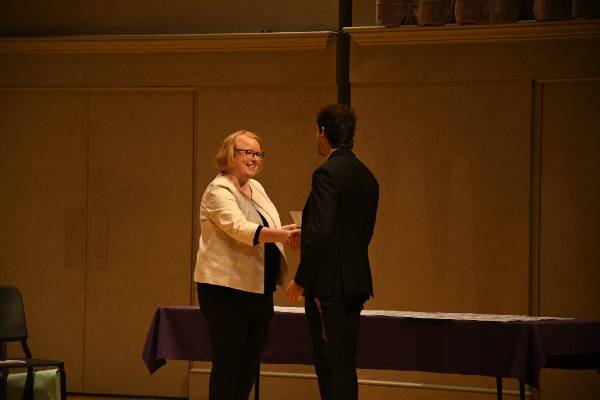
Bluffton University will recognize student academic achievement during the Academic Awards Forum.
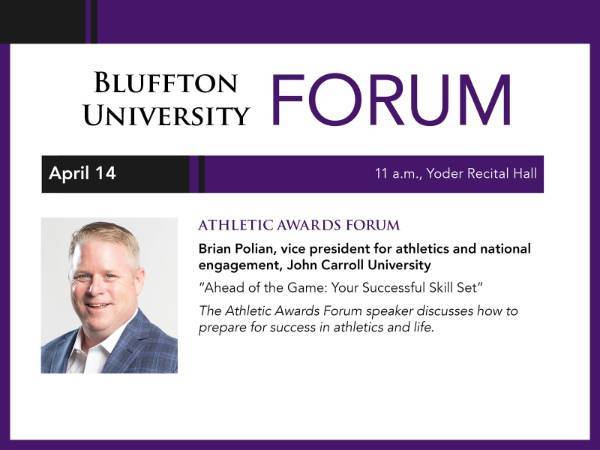
Athletic Awards Forum
Brian Polian, vice president for athletics and national engagement at John Carroll University, will present the Athletic Awards Forum, "Ahead of the Game: Your Successful Skill Set."
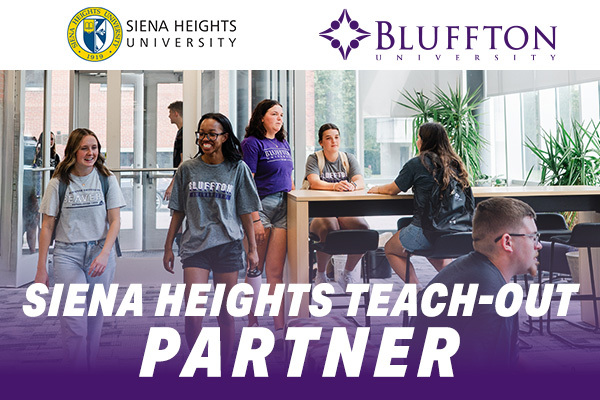
Teach-Out Partnership Announced
Bluffton University has been named an official teach-out partner for Siena Heights University, reinforcing its commitment to supporting students as they navigate institutional transitions and continue their academic journeys with confidence.
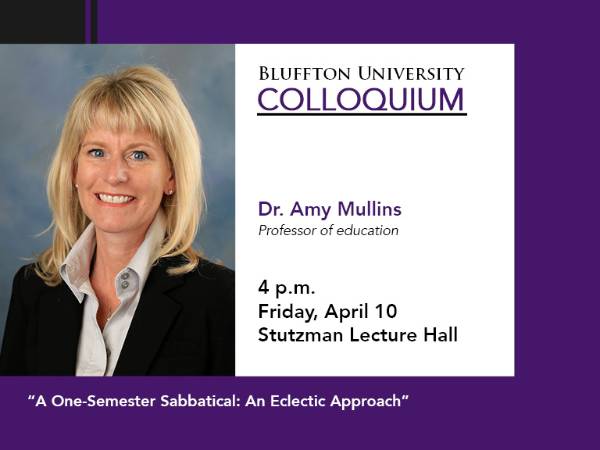
Faculty Colloquium
Dr. Amy Mullins, professor of education, will present a faculty colloquium titled "A One-Semester Sabbatical: An Eclectic Approach."
Civic Engagement Day
Bluffton University will host its annual Civic Engagement Day this spring, bringing together campus to explore the importance of active citizenship, community involvement and social responsibility.
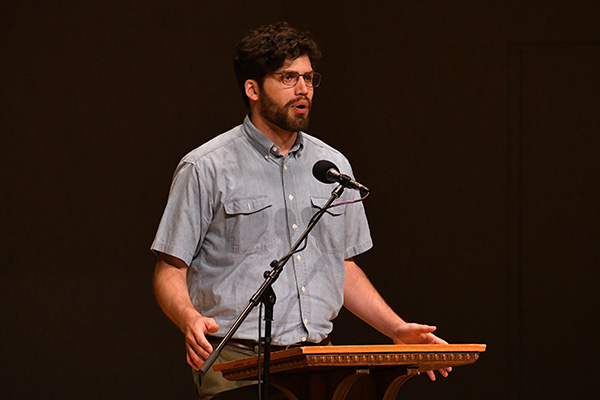
Spiritual Life Week Forum Recap
Rev. Phil Yoder challenged Bluffton University students, faculty and staff to reconsider the role of belonging in their lives during the Spiritual Life Week Forum.

Civic Engagement Day Forum
Chris Scott, head track and field coach at Bluffton University, will present the Civic Engagement Day Forum, "Competition with My Neighbor: The Good and the Bad."
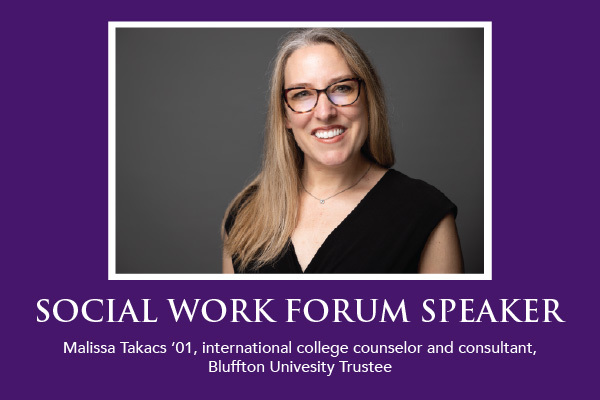
Life is Long
As the featured Forum speaker, Bluffton University alumni Malissa Takacs '01 challenged students to consider how purpose, relationships and service shape both career paths and lifelong impact.
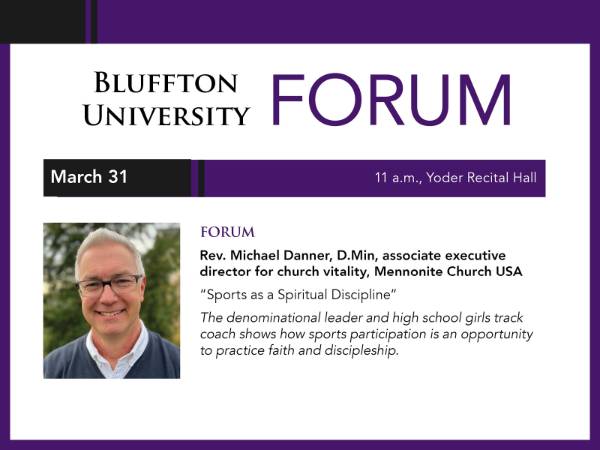
Sports Discipline Forum
Rev. Michael Danner, associate executive director for church vitality with Mennonite Church USA, will present a Forum titled "Sports as a Spiritual Discipline"
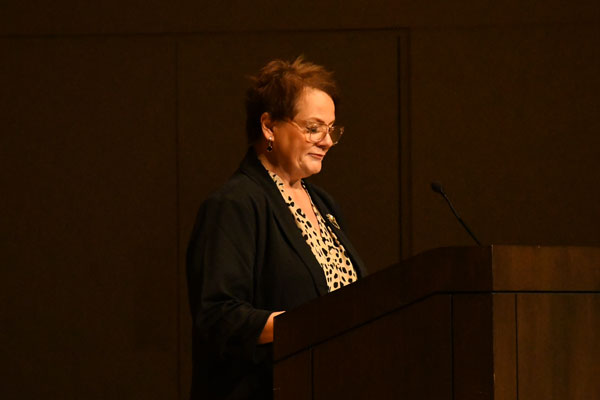
English Festival Recap
Bluffton University hosted Melissa Herrera, writer and author, as the featured speaker for the 2026 English Festival Forum.
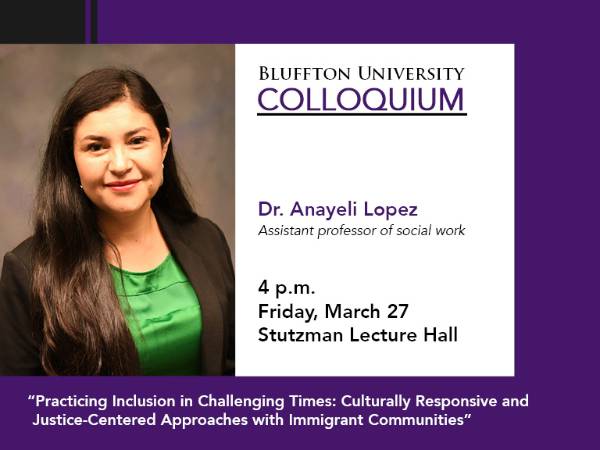
Faculty Colloquium
Dr. Anayeli Lopez, assistant professor of social work, will present a faculty colloquium titled "Practicing Inclusion in Challenging Times: Culturally Responsive and Justice-Centered Approaches with Immigrant Communities."
2026-27 President's Ambassadors
Bluffton University has named the students who will serve as President's Ambassadors during the 2026-27 academic year.
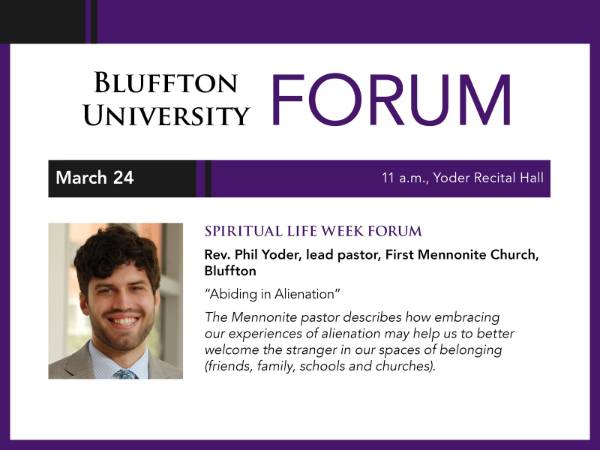
Spiritual Life Week Forum
Rev. Phil Yoder, lead pastor of First Mennonite Church in Bluffton, will present the Spiritual Life Week Forum, "Abiding in Alienation."

MSW Program Accredited
Bluffton University's Master of Social Work (MSW) program, conducted in partnership with Goshen College, has been granted initial accreditation for from the CSWE Board of Accreditation.
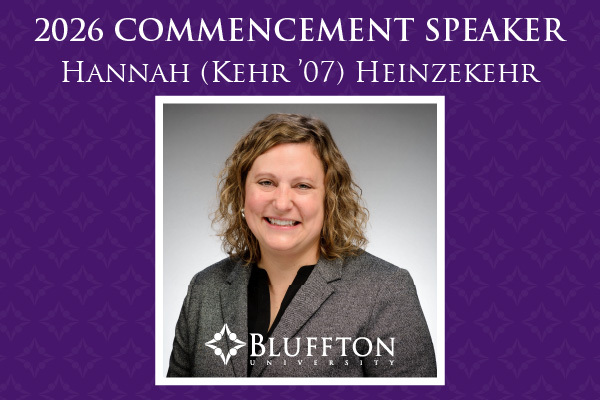
2026 Commencement Speaker
Bluffton University is pleased to announce that alumni Hannah (Kehr '07) Heinzekehr will address the graduating class during the 2026 Commencement ceremony on May 2 in the Sommer Center.
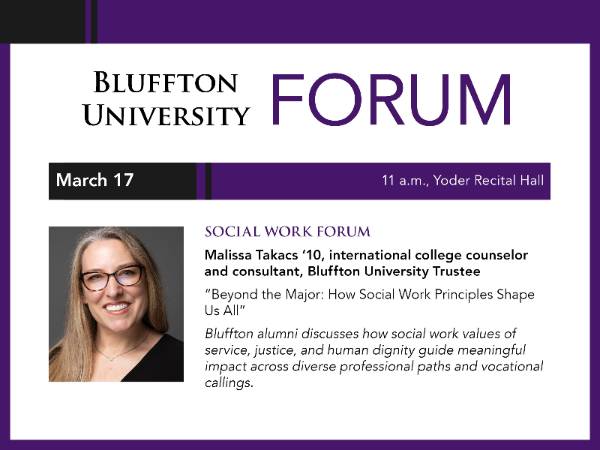
Social Work Forum
Malissa Takacs, international college counselor and consultant, and Bluffton University Trustee, will present a Social Work Forum titled "Beyond the Major: How Social Work Principles Shape Us All."
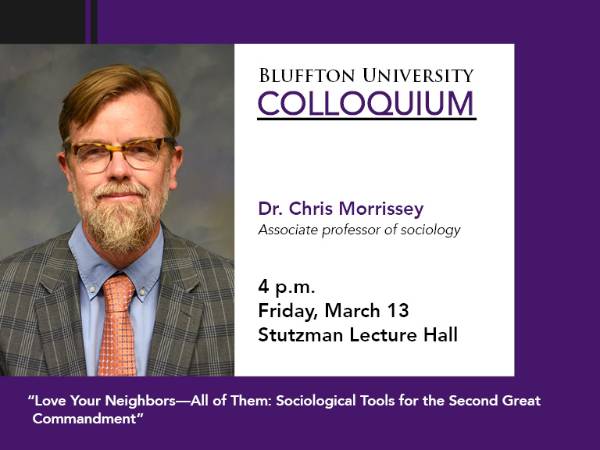
Faculty Colloquium
Dr. Chris Morrissey, associate professor of sociology, will present a faculty colloquium titled "Love Your Neighbors--All of Them: Sociological Tools for the Second Great Commandment."
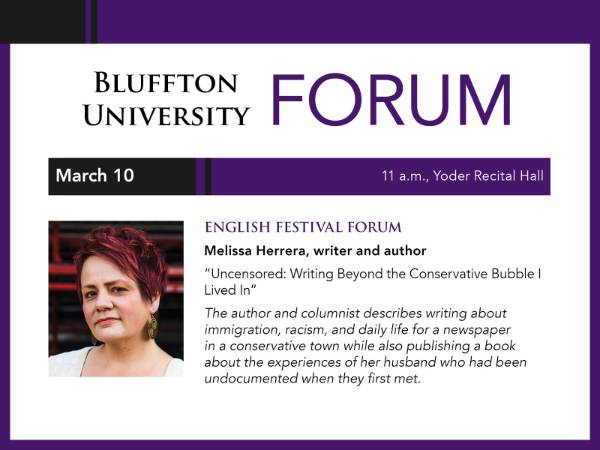
English Fest Forum
Writer and author Melissa Herrera will present the English Festival Forum, "Uncensored: Writing Beyond the Conservative Bubble I Lived In."
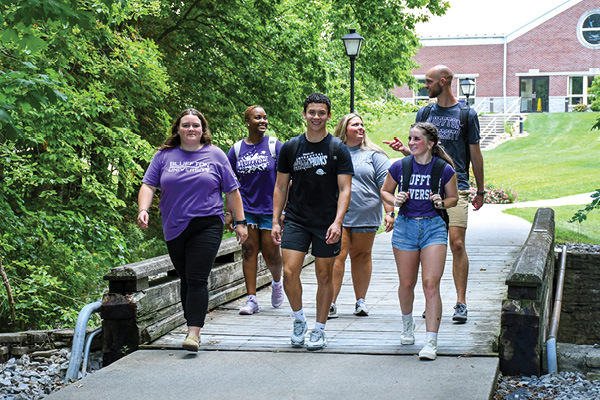
Supporting Lourdes Students
Bluffton University is committed to supporting students impacted by the recently announced closure of Lourdes University at the end of the 2025-26 academic year.
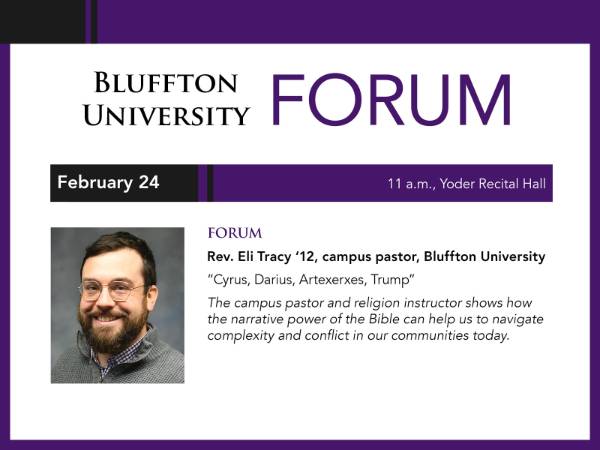
Narrative Forum
Campus Pastor to Present Forum on Biblical Narratives and Leadership. Rev. Eli Tracy, campus pastor at Bluffton University, will present a Forum titled "Cyrus, Darius, Artaxerxes, Trump."
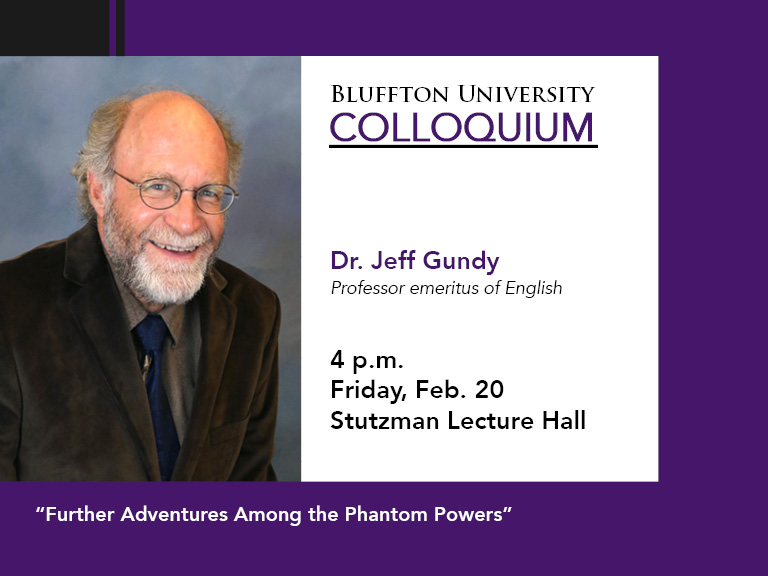
Faculty Colloquium
Dr. Jeff Gundy, professor emeritus of English, will present a faculty colloquium titled "Further Adventures Among the Phantom Powers."
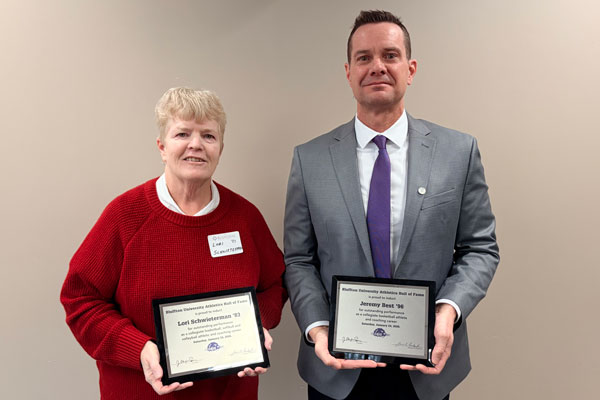
Hall of Fame
Bluffton University Athletics has welcomed two standout alumni into its Athletics Hall of Fame, recognizing Lori Schwieterman '83 and Jeremy Best '96.
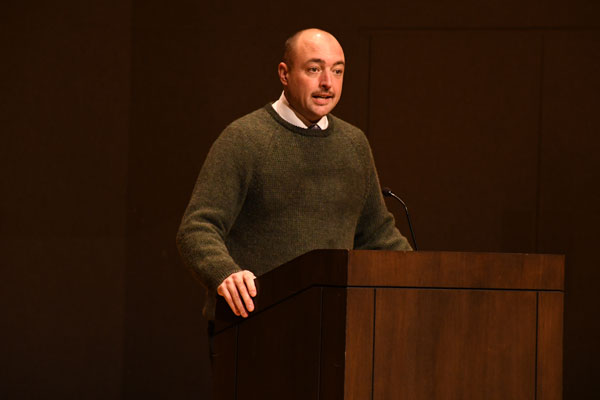
Keeney Peace Lecture Recap
Bluffton University welcomed alumni Dr. Jonathan Moyer '02 back to campus as the featured speaker for the university's 48th annual Keeney Peace Lecture.
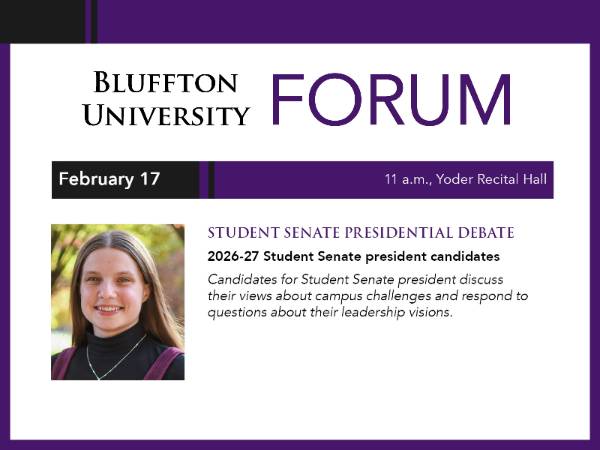
Student Senate Forum
Candidates for Bluffton University's Student Senate president will participate in a Presidential Debate Forum.